


-

Add: HeBei ShengShi HongBang Cellulose Technology CO.,LTD.
-

Email
13180486930@163.com -

CONTACT US
+86 13180486930


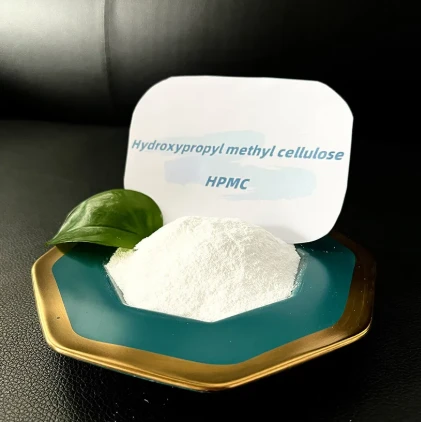
Hydroxypropyl methylcellulose, popularly branded as HPMC Methocel, is an indispensable additive in various industries, celebrated for its unique properties and versatility. Delving into the realm of this multifaceted compound reveals its profound impact across fields such as pharmaceuticals, construction, and food industries, thereby establishing its experience, expertise, authoritativeness, and trustworthiness. The pharmaceutical industry extensively leverages HPMC Methocel due to its role as a binder, film-former , and controlled-release agent. One of the compelling experiences reported by pharmaceutical manufacturers is its ability to improve the bioavailability of drugs. HPMC Methocel's high viscosity and gel-forming capabilities enable it to encapsulate drugs effectively, ensuring stable and efficient release rates. For example, in oral tablet formulations, its film-forming property not only protects the active ingredients from moisture and oxygen but also masks unpleasant tastes, enhancing patient compliance. Experts across various sectors regard HPMC Methocel for its stability and non-reactivity, which lends it versatility in product development. In the construction industry, this compound is utilized in cement and tile adhesive formulations, improving water retention and workability of the mixtures. This ensures a uniform curing process, directly contributing to the durability and strength of the finished structures. Construction professionals have observed that the use of HPMC Methocel in mortar applications results in superior board life and slip resistance, characteristics crucial for achieving high-quality finishes in tiling projects. Moreover, HPMC Methocel is a game changer in the food industry where it serves as a thickener, emulsifier, and stabilizer. Its safety and non-toxic nature anchor its acceptance in food-grade applications, where maintaining product integrity and palatability are paramount. Food technologists appreciate its role in reducing oil uptake in fried foods, creating low-fat alternatives without compromising on texture or taste. It is also indispensable in the formulation of gluten-free recipes, providing the much-needed viscosity and elasticity that gluten provides in regular recipes. hpmc methocel The authoritativeness of HPMC Methocel is seen in the rigorous testing and regulatory compliance it undergoes globally. It meets standards set by international bodies such as the FDA and European Pharmacopeia, underlying its trustworthiness and ensuring it is safe for consumption and use across different applications. This adherence to high norms further amplifies its reliability as an ingredient of choice among manufacturers focused on producing safe and effective products. For consumers and industry professionals alike, trust is a pivotal factor when considering any ingredient, and HPMC Methocel has consistently proven itself on this front. Continuous research and innovations have expanded its applications and improved its performance attributes, guaranteeing that while it remains a mainstay in current applications, its potential for new solutions is vast. This ongoing commitment to research and development solidifies its status as a trusted component in countless formulations and builds confidence across the supply chains that rely on its integrity. In conclusion, the multifaceted benefits and applications of HPMC Methocel underscore its positioning as a critical player in various fields. Its contributions extend beyond its immediate functional benefits to becoming an integral part of many manufacturing processes. With a strong foundation of experience, growing expertise, solid authoritativeness, and unwavering trustworthiness, HPMC Methocel continues to make strides in diverse industries, aiding the development of innovative products that meet evolving consumer needs and regulatory standards.
- 40000tons

Production
- 20+years

Experience
- 5000+㎡

Acreage

-

Hydroxypropyl methylcellulose (HPMC) and methyl hydroxyethyl cellulose (MHEC) are both crucial compounds in the construction and pharmaceutical industries, primarily known for their roles as thickeners, binders, and emulsifiers. Despite their similar appearances and overlapping functions, distinct chemical compositions and properties set them apart, leading to their unique applications. HPMC is a nonionic cellulose ether derived from the chemical modification of cellulose through methyl and hydroxypropyl groups. This modification lends HPMC several distinct properties, such as high water retention, film formation, and thermal gelation abilities. These characteristics make it indispensable in the construction industry, particularly in tile adhesives, cement renders, and gypsum products. Its ability to retain moisture is crucial in preventing cracking and improving workability during construction applications. Moreover, HPMC's bio-compatibility and non-toxic nature make it highly suitable for pharmaceutical applications, including drug delivery systems for controlled release, where precise administration of medication is paramount. On the other hand, MHEC, which boasts modifications with methyl and hydroxyethyl groups instead, has been designed to exhibit a high level of solubility in cold water and improved workability in formulations. This makes it particularly valuable for applications requiring excellent water retention and slip resistance, such as in the formulation of cement-based mortars. MHEC effectively enhances adhesion and open time, essential in ensuring superior bonding and satisfactory application of paints and coatings. Additionally, its ease of dissolution in both hot and cold water grants it versatility and adaptability across an array of conditions. When comparing HPMC and MHEC, it's essential to highlight their distinctive thermal gelation properties. HPMC exhibits a more clearly defined gel point temperature, making it advantageous for products requiring stability under varied temperature conditions. This characteristic is particularly pivotal in construction settings where temperature fluctuations can significantly impact material performance. MHEC, while also possessing thermal gelation capabilities, delivers slightly different responses to temperature changes, which can be selected based on specific application needs. difference between hpmc and mhec Sustainability and safety are ever-increasing concerns in contemporary industrial practices. Both HPMC and MHEC align well with these values, as they are derived from natural cellulose and are biodegradable. However, HPMC is often preferred in the pharmaceutical sector due to its long-standing safety profile and extensive research supporting its use in consumable products. MHEC, while also safe, does not boast the same depth of usage history in the pharmaceutical industry, which may influence its selection for certain drug formulations. Application cost is another factor distinguishing HPMC from MHEC. While both cellulose ethers are similarly priced, slight variations can occur based on supply chain dynamics and regional availability. Generally, the choice between these two compounds will hinge on the specific functional requirements of the application rather than economic differences . Decision-makers in industries where precise formulations are critical should conduct rigorous testing to determine which compound best meets their needs. In conclusion, while both HPMC and MHEC serve as valuable assets in numerous industrial applications, careful consideration of their unique properties and specific application requirements is imperative. The differences in solubility, thermal behavior, and historical usage suggest that neither is inherently superior but rather suited to different scenarios. By leveraging the precise attributes of each cellulose ether, companies can optimize their formulations for improved performance and cost-effectiveness. Understanding these nuances not only enhances manufacturing processes but also aligns product development with evolving industry standards and sustainability goals.
-
In the realm of ocular health, the challenge of maintaining eye moisture has garnered immense attention. With technological advancements and extensive research in ophthalmology, solutions like Retained HPMC Lubricant Eye Drops have emerged as vital tools in alleviating discomfort associated with dry eyes. These eye drops, known for their efficacy, cater to a growing demographic of individuals grappling with hydration issues in their eyes. Hydroxypropyl methylcellulose (HPMC), the core component of these lubricant eye drops, embodies a meticulously engineered formula that mirrors the natural composition of the tear film, providing immediate relief and restoring moisture balance. Individuals with conditions such as keratoconjunctivitis sicca (dry eye syndrome) or those facing temporary dryness from environmental triggers find solace in the application of Retained HPMC Lubricant Eye Drops. The viscosity of HPMC is pivotal; it ensures that each drop forms a stable, soothing barrier on the surface of the eye, thereby elongating the moisture retention period. Experience underscores the central importance of these drops, particularly evident in the myriad user testimonials spotlighting their transformative effects. It’s not merely about instantaneous relief; users have reported sustained benefits when incorporated into their routine. Trust emerges not just from these anecdotal experiences but also through clinical studies. According to a prominent study conducted in the Journal of Ocular Pharmacology and Therapeutics, consistent use of HPMC-based lubricants significantly improved comfort levels for individuals, offering tangible evidence of their capabilities. Expertise in the formulation of eye care products like Retained HPMC Lubricant Eye Drops is exemplified by the meticulous refinement of such solutions. Researchers and developers in the field of pharmaceutical sciences focus heavily on not only the efficacy of these solutions but also their safety profiles. The balanced pH, isotonic nature, and preservation-free options further cement these drops as a benchmark in ocular therapy. retaine hpmc lubricant eye drops This expertise is crucial, as the ocular surface is delicate, requiring precise formulations that support rather than hinder natural tear production and distribution. The process entails rigorous testing phases, ensuring that Retained HPMC Lubricant Eye Drops meet and exceed medical standards . Regulatory endorsements from institutions such as the FDA further underline the authoritative stance these drops hold in the market. Trustworthiness is further bolstered by endorsements from ophthalmologists who frequently prescribe these drops to patients suffering from various degrees of eye dryness. The recommendation from eye care professionals not only inspires trust but also validates the scientific rigor involved in their development. The alignment between patient experiences and clinical evaluations creates a holistic narrative that underscores the efficacy of Retained HPMC Lubricant Eye Drops. Navigating the world of dry eye solutions requires a blend of personal experience, clinical expertise, authoritative guidance, and deep-seated trust. Retained HPMC Lubricant Eye Drops embody these aspects, presenting themselves as a paradigm of innovation and reliability. As ocular health continues to gain prominence, solutions that offer both scientific credibility and genuine relief, such as Retained HPMC Lubricant Eye Drops, are indispensable in the pursuit of optimal eye health.
advantages
-

200000 Viscosities
Excellent product
We can produce pure products up to 200,000 viscosities
-

40000 tons
High yield
We don’t stop production all year round, and the annual output can reach 40,000 tons
-

24 hours
Quality service
We provide 24-hours online reception service, welcome to consult at any time
———— Inquiry Form
Schedule A services

-
 harga_serat_polipropilen
Oct . 25, 2025
Hydroxypropyl Methylcellulose (HPMC) is gaining significant attention in the vegan and plant-based p -
 sticky_rubber_talcum_powder
Oct . 25, 2025
Polypropylene fiber ( PP fiber ) has transformed the synthetic fiber market with its remarkable tech -
 fiberglass_fibers_for_concrete
Oct . 25, 2025
In the construction industry, particularly in plastering, retarder in gypsum plays a crucial role in


